







Babies are a blessing and this is the main reason why people sometimes burst into tears when a child is born. But there are times when these little bundles of joy come unprepared. This is why people take birth control in a bid to control when and how the baby would come. The immense benefits birth control offers indeed cannot be overemphasized hence its widespread use and adaptation. But one begins to wonder if it is ever possible for men to take these birth control pills and what the effect of the intake of the same would be per time. Among other things we would be looking into today, we will show you what would happen if a man took birth control.
What would happen if a man took birth control?
Birth control pills are known to contain some levels of estrogen. These are usually known as female sex hormones even though men are known to produce these hormones in smaller quantities. But if a man takes one or two of the birth control pills, it would not be enough to change the hormones in his body. But if he begins to take them regularly, it can hurt his body. If the estrogen levels of a man become too much, he may begin to experience certain symptoms such as sexual dysfunction in the form of decreased erectile function, sexual dysfunction, and poor morning erections. Also, it could lead to a loss of muscle mass and increased fat levels in the abdomen. Another thing it could lead to is tiredness and fatigue in addition to depression.
What Should I Know About Birth Control?
Birth control which is also known as contraception is simply the system used in preventing pregnancy. Several methods can be used in this regard. It is a fact that couples who engage in sexual intercourse without the use of any of the methods of contraception have a 90 percent chance of achieving pregnancy within a year. This is subject to them not having a problem with infertility. Here is a breakdown of the various birth control forms.
What Should You Do If You Missed A Birth Control Pill?
Birth control pills work better if you use them daily. But the truth is that most people tend to forget using them at one point or the other. This is why you must know what to do when you miss using a pill. The first thing is that you must know the name of the brand of pill you want to use.
Which Birth Control Pill Should You Take?
It is ideal that you first talk to your healthcare provider on whether the pill is ideal for you. If they say it is good for you, then you will need to ask which of the pills and the dosage you should use. When you combine both progestin and estrogen, you are bound to find it more effective than using progestin alone. There are however some women who cannot use estrogen, hence it is advisable that they only use progestin pills.
What Is The Level Of Effectiveness Of This Pill In Preventing Pregnancy
The pill is quite effective especially if you adhere to the instructions that are given. For instance, you should take the pills one per day at the same time. Also, you will need to use some back-up contraception like condoms if you suffer from vomiting or diarrhea. It could also be that you are using a medication that is capable of altering the effect of birth control. But note that if you use pills at the same time each day, it is about 99 percent effective. As wonderful as the results may seem, it is practically impossible to achieve a hundred percent effectiveness. This is because it is always difficult to adhere strictly to the schedule by most women.
Are There Possible Side Effects Of Birth Control?
The majority of women often face some side effects when they use contraceptive pills. Some of these effects include irregular periods. Headaches, nausea, and weight change especially within the first few months. Each oral contraceptive pill type can affect women differently.
Some of the negative effects of birth controls include the following:
- Nausea: This usually happens when you begin to use the pill and it usually disappears after a few days. The chances of it happening are increased when it is used with a bedtime snack.
- Irregular periods: There may be issues of very light bleeding during the first 3 weeks of using the pill. But if the bleeding becomes heavier after a while, you should consult with your healthcare provider.
- Headaches: This may happen as a result of stress or little sleep. This pill can assist you to either make the headache better or worse. But if you notice that the headache is linked to your pill intake, you would need to consult a medical practitioner.
- Weight change: There are teenagers who both lose weight and gain weight when they are on the pill. While on the pill, ensure that you avoid the dark corner.
Type Of Birth Control
1. Diaphragm
This is simply a molded rubber cap that a woman puts inside her vagina to cover the cervix. This diaphragm is used to block the sperm from gaining access to the uterus. It has to be inserted before you begin the act of intercourse and must be left there for six hours after intercourse. They are usually available in different sizes and have to be fitted by a health care provider. When they are combined with spermicidal, they can be super effective with a three percent chance of getting pregnant.
2. Condoms
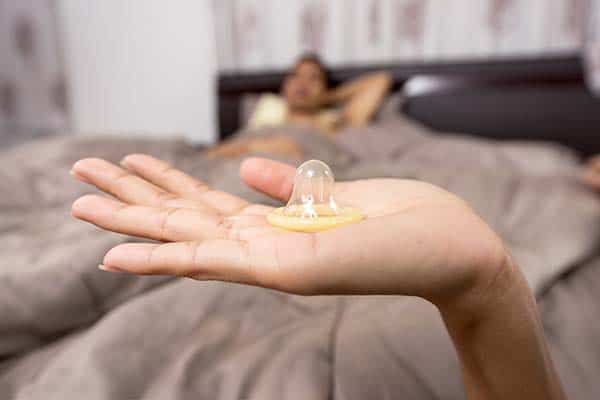
A condom is simply a synthetic sheath or thin rubber that a man places on his erect penis before he engages in sexual intercourse. Condoms when used alone often have 70 to 80% chance of effectiveness. This is however subject to the level of care taken when using it. Several issues may arise when a condom is used. For instance, tears or tiny holes may pop up, and this may lead to the leakage of the sperm. Also, in a case where the penis is removed from the vagina after sexual intercourse, the condom will sometimes break and release sperm into the vagina. But if you regularly use a latex condom combined with spermicide, you have a 95 percent level of effectiveness in preventing pregnancy. Also, condoms are quite ideal because you can get them at a drug store without a prescription. They also help in preventing issues of sexually transmitted diseases such as HIV.
3. Cervical cap
This is simply a molded rubber cap that fits over the outer part of the cervix. The cervical cap only fits over the cervical cap, unlike the diaphragm which covers both the back of the vagina and the cervix. To use it, you must ensure that you insert it for each intercourse and leave it there for at least six hours. It is quite as effective as a diaphragm and it usually contains spermicides.
4. Contraceptive sponge
This is a disposable sponge-like device that is saturated using a spermicide. This sponge is fitted into the vagina up against the cervix. The device works hereby releasing the spermicide continuously for about 24 hours. When you use this sponge, you do not need to use spermicides even when you will be having sex more than once. There are several other benefits of this method as well. For instance, you can get the sponge without a doctor’s prescription, also, it does not have to be fitted and it can be inserted long before you have sex. It is recorded to have an 85 percent chance of effectiveness.
Some of the side effects of the use of this sponge include allergic reaction and local irritation. But such side effects have not been noted to be frequent. But some people believe that the sponge could become a breeding ground for infections especially when they are not properly used. This is why you should consult your doctor before you think of using this technique.
5. Spermicide
This is simply a chemical foam, suppository, or jelly which a woman applies to her vagina to a sperm. This spermicide should be used together with a diaphragm or a condom. If you use it alone, its level of effectiveness is between 75 to 85 percent effectiveness. It also comes with some disadvantages such as the fact that it has to be used for each act of intercourse. It also has chemical odors while also able to irritate. One of the main advantages of spermicides is that they are available at drug stores and you can get them without the prescription of a doctor.
Summary
We have been able to establish that birth control pills when used by men may not have any visible effect especially when it is used for the short term. But if you use it for the long term as a man, several side effects can arise. In the case of a woman, it is ideal she uses it in obedience to the instructions of a medical practitioner.
You May Like These Articles As Well:
Can You Die From Masturbating Too Much?
Why Are Psychiatrists Called Shrinks?
Nursing Interventions For Shortage Of Breath: Things You Must Know