





Garlic is often used as a flavor for cooking. It’s useful for medicine in both modern and ancient times. It’s used to handle a wide spectrum of conditions and diseases. Garlic has a unique reputation of being a very strong antioxidant loaded with antiviral, microbial and antibiotic features. It is also quite potent for addressing flu and cold as it provides a decongesting effect. It is also a good source of enzymes, vitamins, and minerals which help in boosting immunity. In summary, garlic is one item that offers a host of benefits when used. But, what are the pickled garlic health benefits you should know?
Pickled Garlic Health Benefits
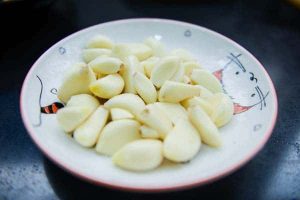
Consuming pickled garlic gives users the total benefits associated with using garlic. But it does this without the secondary garlic odor or the bad breath that comes when you use dried or fresh garlic.
Here are some of the unique benefits of pickled garlic health benefits:
1. Brain Cancer
The Organo-Sulfur compound that is in the garlic has been to help in destroying one of the dangerous cells in brain tumors. Research has shown that three organo-sulfur compounds derived from garlic like the DADS, DAS and DATS have shown great effect removing brain cells. DATS has shown to be the most effective of the lot. There is a need to verify some of the claims.
2. Lung cancer
People who use raw garlic two times each week showed a lower risk of suffering from lung cancer. The same effect is in consuming pickled garlic. Studies have shown that Garlic can act as a chemo-preventive agent for addressing lung cancer.
3. Cold Prevention
Cold most of the time arises when there is a drop in the immunity of the body when an attack occurs. Garlic can do this because it has some anti-oxidants which boost the human immune system. By consuming garlic either pickled or raw, you will be protecting yourself from possible attacks of cold. If you get cold, then you could use garlic to fight it. All you need to do is prepare tea and put some garlic into it. Its antibacterial capabilities will make sure that garlic solves the issues of cold.
4. Arthritis solution
The anti-inflammatory constituent of garlic assists in boosting our musculoskeletal system. For instance, the diallyl sulfide (DAS) is the reason for garlic’s arthritic properties. You can combat the spread of arthritis by consuming raw garlic, pickled garlic or garlic pills.
5. Heart benefits
One of the most profound researches carried out on garlic has to do with its cardiovascular benefits. Cholesterol may be a major indicator of the state of health of the heart. But, it is not the only factor for heart attacks and atherosclerosis. Pickled garlic has helped in the reduction of the cholesterol levels of the body.
But the major benefit of garlic is in its ability to lower oxidative and inflammatory stress which is the major roots of blood circulatory and atherosclerosis issues.
Furthermore, the sulfuric contents of garlic have helped in the reduction of oxidative stress as well as some other compounds. In addition to this, garlic also assists in the protection of the human blood vessels while also assisting in preventing the formation of blood clots that are the main causes of heart conditions. Also, the Allicin content helps lower the human blood pressure by the contractions of the blood vessels. Finally, the Hydrogen sulfide constituent assists in dilating the blood and as such helps in preventing an increase in blood pressure.
6. Toenail Fungus
Garlic is a natural antifungal. You may opt to use it on the affected toenail or use the extract along with hot water and dip your feet into it. Ensure that you keep your feet in the water for 30 minutes. If you have a toenail fungus that is quite old, you will have to cover the nail using garlic squeeze after which you are to wrap it using a bandage.
Ensure that it is this way all through the night. Ensure that the toe is clean at all times. Do this daily with consistency and the fungus will disappear within a few months. It is, yet, the advisable ideal you do this under the supervision of a doctor so that there won’t be any adverse complications.
7. Hair loss prevention
The Allicin content of garlic is good for the prevention of hair loss. There are two ways you can prevent hair loss. You can either opt to rub the garlic slices on the scalp. To do this, you need to cut about 3mm vertical slices from the garlic. After doing this, you should rub them immediately on the scalp by extracting the juice. Also, you may use the pickled garlic in oil. This is by peeling about 4 cloves of garlic and squeezing them in. add the garlic to olive oil and massage the same on your scalp.
8. Soothing Psoriasis
The patches that come with Psoriasis can be quite scratchy and painful. You can sooth these pains by using either pickled garlic or garlic oil. Garlic contains anti-inflammatory properties which help in reducing the pains. Also, you may use cut garlic cloves on the areas affected. You may experience a burning sensation, but this will lead to alleviation of the pain and scratching.
What Is The History Of Garlic?
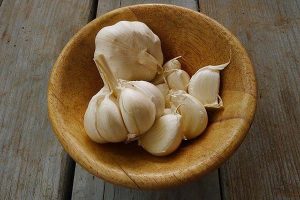
Garlic has found applications all over the world for several centuries. For instance, historical records state that Garlic has been used since the period the Giza pyramids constructed over 50 centuries ago. Hippocrates is known as the father of western medicine prescribed garlic as a solution for different illnesses and conditions. He advocated for the use of garlic in the treatment of parasites, respiratory problems, fatigue, and indigestion. Also, one of the earliest known use of performance enhancement drugs occurred in Greece when Garlic was given to Olympic athletes.
With time, there was a spread of Garlic from ancient Greece to other civilizations of western India and Pakistan from where it arrived in China. Historical accounts show that they used garlic in the treatment of hypertension, Bronchitis, Liver disorders, flatulence, intestinal worms, colic, diabetes and fever in Asia and the Middle-East. The New World got their first taste of garlic through the influence of the Spanish, French, and Portuguese.
How Can I Pickle Garlic?
One unique feature of pickled garlic is that it is mellow and has a softer and sweeter flavor. They may not be as strong and effective as pure garlic, but they are quite useful when they used in snacks. When it comes to pickling anything, you need to ask yourself if you want to do it the easy or hard way. The hard way involves canning the pickled garlic. It isn’t that difficult, but it usually requires close attention to details. Pickling involves bathing a food item inside brine and allowing it to cure before you eat it. Brine is a combination of vinegar and salt. You may add pepper, sugar, and herbs.
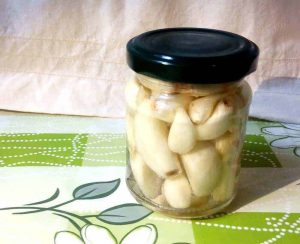
To pickle garlic, you need a clean jar and garlic washed in warm water. It doesn’t matter if you washed them the last time you kept them, ensure you wash them again. The next step involves peeling out the garlic cloves and put them into the jar. Then flavor the garlic by adding hot chili pepper or black peppercorns.
You may also use things such as dill, rosemary and bay leaves. You will then have to use the brine after which you add some salt and sugar. Using vinegar will give you different types of flavor. The next thing would be to add some salt and sugar in the sugar. Cover it and refrigerate it for some weeks so that it can cure before it is used.
What Are The Uses Of Pickled Garlic?
Garlic finds application for several conditions. Some of these conditions include heart-related conditions, such as atherosclerosis, heart attack, high cholesterol, hypertension, and coronary heart conditions.
Garlic is also used by people for preventing conditions such as prostate cancer, lung cancer, stomach cancer, breast cancer, rectal cancer, and colon cancer. But, only a few of these uses have some scientific backing
Conclusion
The benefits of pickled ginger are enormous was proven through conventional and non-conventional means. The benefits range from curing a cold to addressing heart-related issues to mention a few. But, the benefits do not end with your health; pickled ginger is also a very good spice that adds taste to your food in a most unique manner. This is why it is becoming popular. Ginger generally has over the years proven to be a spice with relevance and it seems this relevance does not look like abating anytime soon.
You May Like These Articles As Well: