





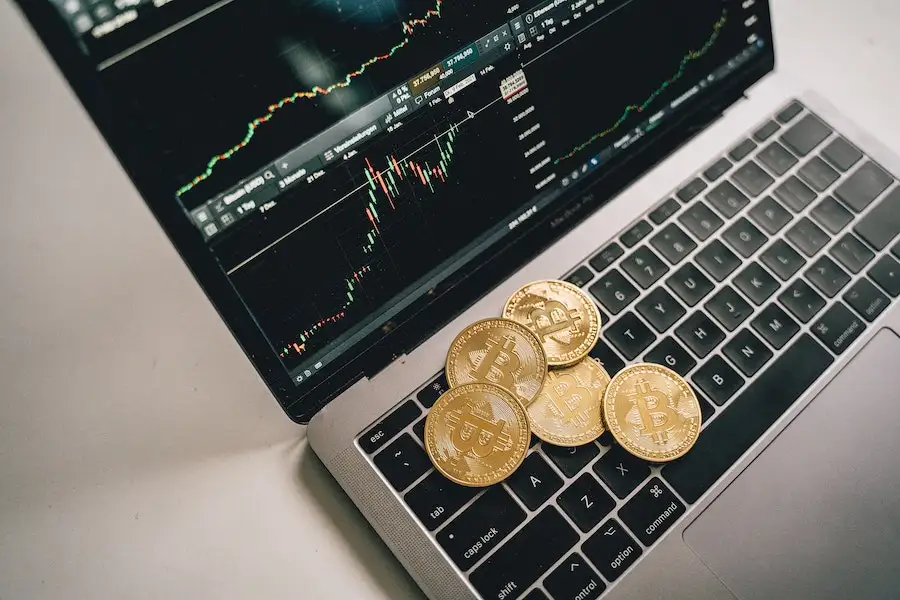
Bitcoin is frequently linked to crime and illegal activity. However, there is much acceptable use for the money, such as purchasing common goods. The following are some of the most unexpected items you can purchase with bitcoin. Also, anyone can quickly start bitcoin trading at bitlq.app as this platform helps novice traders trade with ease.
A Florida guy made history in 2014 when he used bitcoin to purchase his home. He paid roughly $415,000, or 111 BTC, for the 4,000-square-foot house. Likewise, Bitcoin was used in 2013 to acquire a Tesla Model S. The purchase price was 91.4 BTC, equivalent to around $103,000. In addition, numerous online shops, including those selling jewelry, accept bitcoin as payment for their goods.
Even though its high-end watches cost hundreds of thousands of dollars, luxury watch store Vacheron Constantin now accepts bitcoin payments. Bitcoin can be used to buy art from various online galleries and sellers. In 2014, a bitcoin buyer paid around $1 million for a painting by British artist Ben Jones. Bitcoin is accepted by various companies in the travel industry, including Expedia, CheapAir, and Surf Air.
As more businesses, including Marriott and Hilton, start to accept Bitcoin, it may also be used to make hotel reservations. In addition, many eateries, including some upscale places like New York’s Tavern on the Green, now accept bitcoin as payment. Bitcoin is also accepted by the meal delivery service Foodler and several fast food restaurants, including Burger King Venezuela and KFC Canada.
Numerous online merchants, such as Overstock, Gyft, and Newegg, accept bitcoin as payment for clothing. Gift cards may be bought with bitcoin from businesses like eGifter and Gyft. The cards can be used to make purchases from several merchants, including Best Buy, Amazon, and Starbucks. Buying bitcoin is one of the most often used applications for digital money. Users can purchase bitcoin using fiat currency (actual money) or other cryptocurrencies on several online exchanges.
Why Should One Buy Using Bitcoin?
The most widely used cryptocurrency worldwide is bitcoin. Its price can vary significantly because it is one of the most volatile commodities. People are more likely to purchase Bitcoin when the price is high. Conversely, people are more likely to purchase Bitcoin as a means of payment when the price is low.
Bitcoin’s price has been rising consistently over the past three years and doesn’t appear to be slowing down. Because of this, investing in Bitcoin can be profitable over the long term. Compared to more established payment options like credit cards or PayPal, bitcoin transactions often have relatively low fees. In addition, bitcoin transactions happen quickly and conveniently. As a result, you can make and receive funds without having to wait days or weeks for the transaction to clear.
What Dangers Exist When Purchasing Bitcoin?
Because Bitcoin is a relatively new technology, specific hazards are still associated with it. Before purchasing Bitcoin, bear the following in mind: The possibility of losing the money you invest in Bitcoin always exists. Of course, this is true for any investment, but given how much the price of Bitcoin can change, it’s crucial to remember this.
Numerous high-profile instances of people losing their Bitcoin to theft or fraud have occurred. In addition, the risk is associated with regulations because they are still developing bitcoin. As a result, there is a chance that governments will take action against Bitcoin in the future, which might harm the currency’s price.
Purchasing With Bitcoin
Get a Bitcoin wallet; this is the first thing you must do. A Bitcoin wallet is software that holds your bitcoins and enables payment sending and receiving. Once you have a wallet, you must locate a Bitcoin exchange where you may purchase Bitcoin. You may buy and sell Bitcoin on a wide range of exchanges, but not all of them are made equal. So do your homework before selecting an exchange, please.
Once you’ve located an exchange, you can purchase Bitcoin by giving the exchange your payment details. You will then receive a specific amount of Bitcoin from the exchange. Once you have Bitcoin, it’s crucial to keep it safe. Secure your Bitcoin. The best way to accomplish this is to keep your Bitcoin in an offline wallet.
Conclusion
A prominent cryptocurrency with great potential is bitcoin. Consider the hazards if you’re thinking about purchasing Bitcoin. However, Bitcoin can be a fantastic investment or payment option if you’re willing to take on those dangers. Although some risks are associated with investing in Bitcoin, there are also possible rewards. Do your homework before making any Bitcoin investments.