






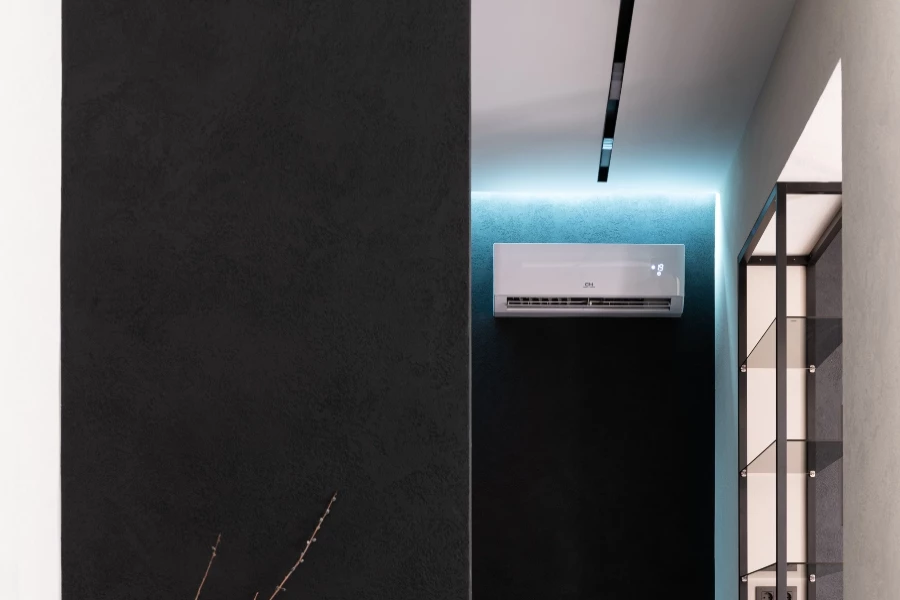
Portable air conditioners are a great alternative to window units or central AC. They’re compact, easy to install and energy-efficient. In this post, we’ll explore the pros and cons of portable ACs as well as how to install one in your home. If you live in a small apartment or condo unit, central air may not be an option for you — especially if you don’t have access to an attic or basement. Luckily, there is another way to cool your space without breaking the bank: installing a portable air conditioner instead. And with so many different models on the market today, choosing the best one for your space and budget can be tricky. Keep reading for information about how to install a portable AC in your home!
How Install Portable Air Conditioner
Select the Right Location for Installation
The best location for installation depends on several factors. You’ll want to make sure the room is large enough to hold the cooling unit. Also, the space will need to have a window or exterior wall for installation, since most portable air conditioners require outside ventilation. You can use the space inside the room to house the cooling unit and the exhaust shaft. If you need to, you can clear off a portion of the floor for the unit. It’s recommended that you position the cooling unit away from the walls, approximately three feet from the floor and two feet from the wall.
Clear the Space and Mark the Venting Location
Before installing the cooling unit, you’ll need to clear the floor and mark the location of the vent. The exhaust vent is used to re. There are two main types of venting: wall-mount and ceiling-mount. You’ll likely have to use a combination of both, as there isn’t a venting system that can handle every installation. Wall-mount systems include a series of pipes, terminations and brackets that are installed on an exterior wall. They can be installed either vertically or horizontally. Ceiling-mount systems include a series of pipes, terminations and brackets that are installed near the ceiling.
Install the Ductwork
The ductwork is the path that air travels from the cooling unit to the vents. There are two types of ductwork: flexible and rigid. Flexible duct is made of rubber and is used in homes built before the 1970s, when most houses were built with single-wall construction. Most newer homes have double-wall construction, so rigid duct is used. Rigid duct is more durable and less susceptible to wear and tear. It comes in several sizes, and you’ll need to choose the one that’s right for your cooling unit.
Install the Evaporator and Condenser Coils
The evaporator coil and the condenser coil are part of the cooling unit. The evaporator coil is installed inside the attic or outside, depending on the model. It pulls warm air from your home through the ductwork and cools it before it’s sent back into the room. The condenser coil is located outside, where it’s cooled by the outside air and pulls the warm air out of the house. Some models have a built-in fan that helps circulate the air.
Hook up the Electrical and Test the A/C
The electrical configuration will vary based on the brand, but most portable air conditioners use a standard 115-volt, single-phase outlet. Before you install the cooling unit, make sure the electrical wiring is installed properly and the unit is plugged in. You’ll want to turn the electrical breaker off and test the unit to make sure everything is working properly. On most units, the display will show the current temperature in the room. Once you’ve reached your desired temperature, the unit will shut off.
Install the Vents, Exhaust Shaft and Outlet Duct
The exhaust shaft and the outlet duct lead the air outside where it can be released. The exhaust shaft is installed vertically and points toward the outside of the house. The outlet duct is connected to the exhaust shaft and travels to the outside of the house, where it’s connected to the exhaust duct. Each unit will come with specific directions for installation, so follow those steps carefully to avoid errors.
Turn on the Fan and Test Again
The fan is installed in the exhaust duct and pushes air outside. It should be installed at the end of the ductwork, closest to the outside of the house. Before you switch on the fan, make sure the outlet duct is connected to the fan. Test the cooling unit again to make sure the fan is working properly.
Enjoy Fresh Air With Your New Portable A/C!
Now you can enjoy fresh air in the room where you installed the portable air conditioner. Make sure to clean and maintain your cooling unit regularly to extend the life of the unit and keep the room cool and comfortable.
Pros Of Installing A Portable Air Conditioner
- It’s easy to install!
Most portable air conditioners are easy to install and take just minutes to hook up. The unit is installed in the attic or outside of the house, depending on the model, so you don’t have to do any work on your home’s structure.
- It can cool multiple rooms at once!
A portable air conditioner can cool multiple rooms at once, saving you money by cooling several rooms at once instead of cooling each room individually. This means one cooler will cool more than one room at a time, saving you money that would otherwise go towards purchasing several smaller units.
- It’s energy efficient!
A portable air conditioner is a very efficient way to cool a room, as they are designed to be very energy efficient. They are often referred to as “green” or “energy-efficient” appliances because they use less electricity and cool the room more efficiently than traditional models.
- It can be used in basements and garages!
Unlike traditional AC units, which are only used in the home, portable air conditioners can be used in garages and basements, where there is no access to vents or ductwork. There is also no need for ductwork installation when using a portable air conditioner because of their small size, which means no extra work for you!
- It’s easy to clean!
Most portable air conditioners are easy to clean and require little maintenance. They use a standard filter that can be changed easily (often by simply turning the unit upside down), and they have an interior fan that keeps dirt from building up on the unit itself.
Cons Of Installing A Portable Air Conditioner
- The unit is heavy and bulky.
Portable air conditioners are often large and heavy, so they are not ideal for use in a small space. They also take up a lot of space on the wall, so they may not be the best choice for homes with limited room.
- The unit may be difficult to install in some areas.
Portable air conditioners are often installed in the attic or outside of the home, depending on the model, which means you will have to do some work to your home’s structure if you choose this type of air conditioning system. This means you will have to make sure your roof is structurally sound before installing a portable air conditioner, as well as making sure there is enough ventilation along your roof line so that no one will be able to see from outside and get hurt by falling debris from your roof while installing it (and no one could get hurt by falling debris while using it either!).
- It’s expensive!
The cost of installing a portable air conditioner can be expensive if you need to do any work on your home’s structure or if you want an energy-efficient model that uses less electricity than traditional models used in homes. However, there are models that use less electricity than traditional models and don’t require any work on your home’s structure, which can make them more affordable options for people who do not want to spend a lot of money on air conditioning.
- It’s not the best choice for homes with pets.
Many people who have pets will find that a portable air conditioner is not the best choice for their home, as it’s loud and can cause problems with your pets. This means you will have to make sure that your pet isn’t scared by the noise or that they are able to adjust to it easily (in some cases, you might have to keep your pets inside for longer than usual when using a portable air conditioner).
Final Words
A portable air conditioner is an easy and affordable way to cool your home. If you live in a small apartment or condo unit, central air may not be an option for you — especially if you don’t have access to an attic or basement. – Luckily, there is another way to cool your space without breaking the bank: installing a portable AC instead. Installing a portable AC is one of the easiest DIY projects. It’s also a great way to cool your home without disrupting your landlord or property manager. – So, if you’re looking for a budget-friendly way to stay cool this summer, installing a portable air conditioner is the way to go.