





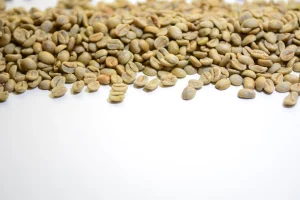
Coffee is the most widely used beverage around the world. People usually start their day with a hot cup of coffee. It promptly recharges your energy and makes you feel refreshed. People use coffee in many ways. Some like it hot and others prefer it cold. There are many variants of coffee available to choose from. All variants contain different nutrients and benefits. One popular coffee among health and fitness enthusiasts is green. This coffee is different from our regular coffee both in taste and color. The coffee beans we generally used are roasted and processed. Regular coffee is strong in taste. However green coffee beans are unroasted and completely raw. Thus having different tastes, aromas, and benefits from roasted beans.
Unlike roasted coffee, it is mild in taste and more like green tea. Though both types of beans are originated from the same source roasting process makes their chemical composition different. Raw and unroasted coffee beans have abundant healthy nutrients. Green coffee beans extract is a popular weight loss supplement. Several supplements of Green coffee extract are available in the market. It contains a huge amount of chlorogenic acid which is a natural antioxidant. It has less caffeine than normal coffee. This compound has a variety of health benefits. Several studies found notable effects of chlorogenic acid on lowering blood sugar levels, weight loss, and reducing blood pressure. Besides it also helps in fighting infections and mood swings.
Health Benefits Of Green Coffee
Control diabetes
One research found a significant impact of the green coffee extract on reducing the risk of heart diseases and controlling fasting blood sugar levels. It also decreases inflammation and fat which maintains sugar levels and lowers the chances of type 2 diabetes.
Regulate blood pressure
Another study found a positive effect of green coffee in controlling blood pressure which contributes to good heart health. The research identified a decrease in cortisol hormone which is known for increasing blood pressure. Besides it also widens the blood vessels which increases the blood flow.
Promotes healthy skin
Green coffee is rich in chlorogenic acid whose antioxidant properties are beneficial for healthy skin. It eliminates free radicals from the body and produces new cells that improve skin it also has anti-aging properties and hides wrinkles and blemishes. It is also a detoxifier that removes impurities and toxins that contribute to healthy skin and body. Because of these plenties of benefits, it is often found in skincare creams as well.
Green Coffee And Weight Loss
Green coffee beans are often associated with weight loss. It got hype when celebrity physician Dr. Oz in 2012 pronounced it as a wonder supplement for weight loss. The caffeine in beans also aids in weight loss. However, according to scientists, the main ingredient is chlorogenic acid which is more helpful in losing weight. The acid prevents the accumulation of fat and glucose by burning and melting them. It helps in fighting obesity by controlling lipid profile as well as lower down the absorption of carbohydrates. According to research chlorogenic acid is also helpful in increasing Basal Metabolic Rate (BMR) which prevents glucose from the liver to enter in blood.
A study done on mice showed significant results of the green coffee extract on reducing weight. Another research found a positive impact of green coffee bean extract along with a strict diet on reducing the weight of obese females. However alone strict diet didn’t lose much weight. Besides it also reduced the level of bad cholesterol and also released fatty acids which further result in fat loss from the body. Lord Green coffee intake will be helpful for those people who cannot control their diet and do overeating. It will reduce their desire for hunger by suppressing their appetite. Moreover, consuming green coffee after a meal helps in controlling blood sugar levels. Besides you can drink green coffee any time of day.
Although many studies found a significant impact of the green coffee extract on weight loss the results are arguable and inconclusive. Many scientists negated the effect of green coffee on weight loss. It is argued that all studies done on humans are improperly designed and consisted of a small sample size. Besides the duration of research is also short which puts a question mark on its reliability. Scientists believe that to understand the long-term effect of green coffee extract more research needs to be done. According to some health experts, green coffee together with exercise and a healthy diet will be more helpful in losing weight. However, if you are a smoker, overeater, or have an unhealthy lifestyle the consumption of green coffee will not be fruitful.
Side Effects Of Green Coffee
Green coffee is generally considered safe but its excessive consumption may have some downside as well. To begin with roasted coffee contains caffeine which is a natural stimulant and psychoactive drug. Its excessive intake brings harmful effects on the body such as insomnia, depression, and blood pressure. Like black coffee, green coffee should also be taken in moderation to avoid the negative effects of caffeine. Furthermore, research conducted on mice identified that daily consumption of green coffee causes major calcium depletion in the tissues of bone. Thus long-term use of green coffee may affect your bones wellbeing.
Due to insufficient data and limitations on research, many health and science experts have no confidence in the effects of green coffee on weight loss. Besides, there is no decided dosage of green coffee supplements for people having liver or kidney diseases, pregnant and lactating women, and children. The suggested limit is not more than 400mg of green coffee in a day. However, it is better to take supplements after consulting doctors and healthcare experts.
Although several studies claimed that green coffee is effective in weight loss. However, there is still more research needed to understand its effects on humans. For that reason, it is better to follow a balanced diet, exercise, and healthy lifestyle to lose weight. Nevertheless, you can add green coffee or its supplements to your routine after consulting with a doctor.